Awards:
Harsheen Kaur wins 2026 Christine Risley Prize
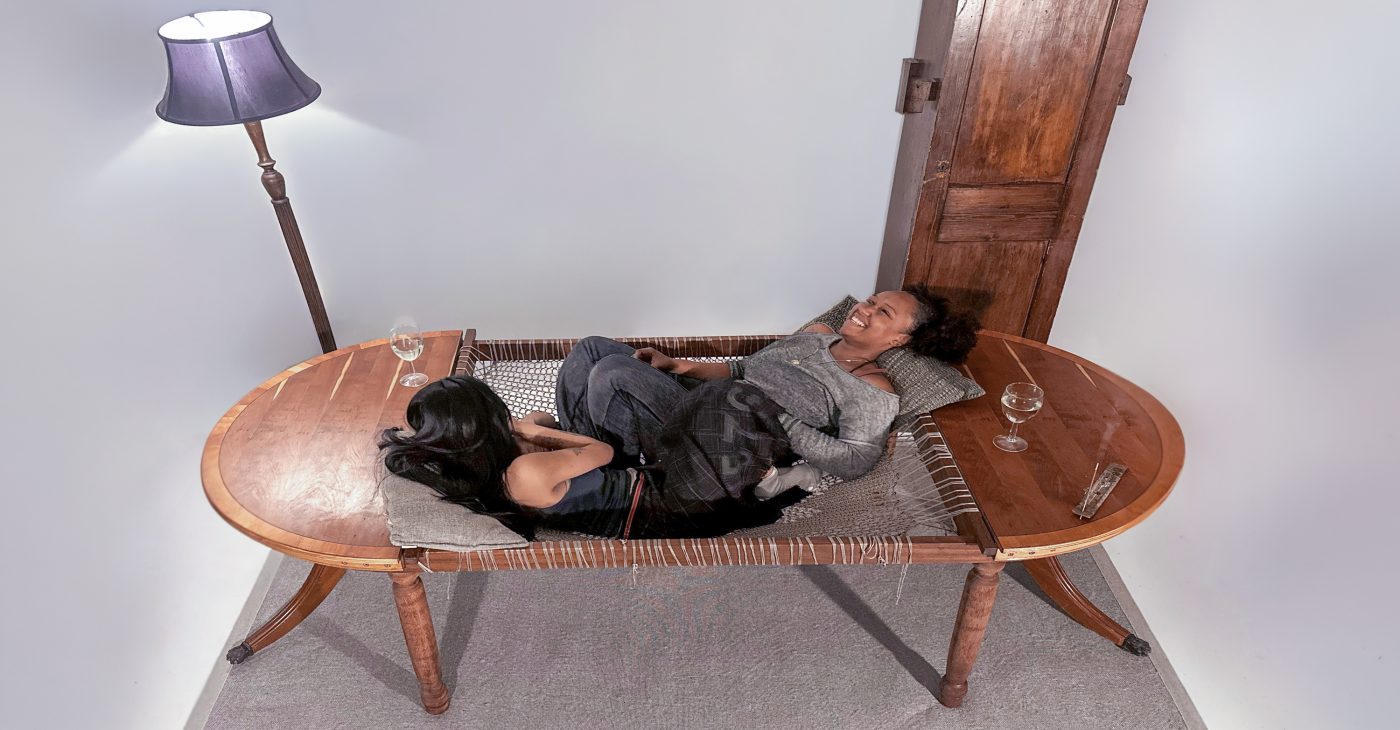
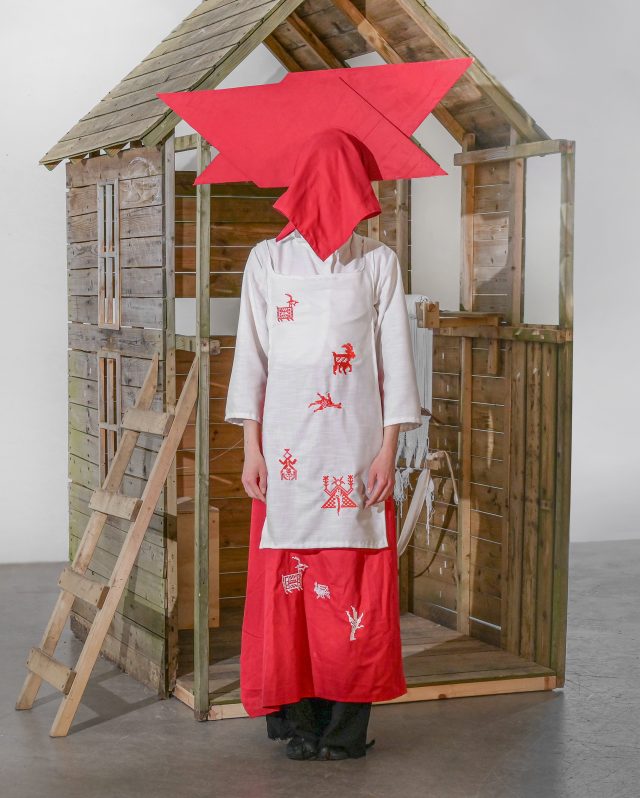
Before the body is conditioned by the physical restraint of formal seating, the child interacts with space through instinctive freedom. Rooted in the early memory of indoor soft-play environments, this inquiry unfolds where physical boundaries yield to human form. Suspended nets and soft geometries form a sensory landscape that invites uninhibited movement and bodily autonomy. While contemporary western environments restrict this fluidity to childhood, pre-colonial Indian interiors operated on Vedic spatial philosophies, where collective rest was inherently woven into furniture forms.
Prior to the British Raj, the home was characterised by textiles, mattresses and bolsters, valuing ease over etiquette. Refuge was tactile, playful and integral to daily life. Colonial authorities viewed these low seating arrangements as a primitive lack of structure rather than a conscious, cultural choice rooted in indigenous knowledge - soon replacing them with high-backed chairs and dining tables. This postural manipulation extended imperial power into the domestic sphere, allowing the home to become another instrument for controlling the civilian body.
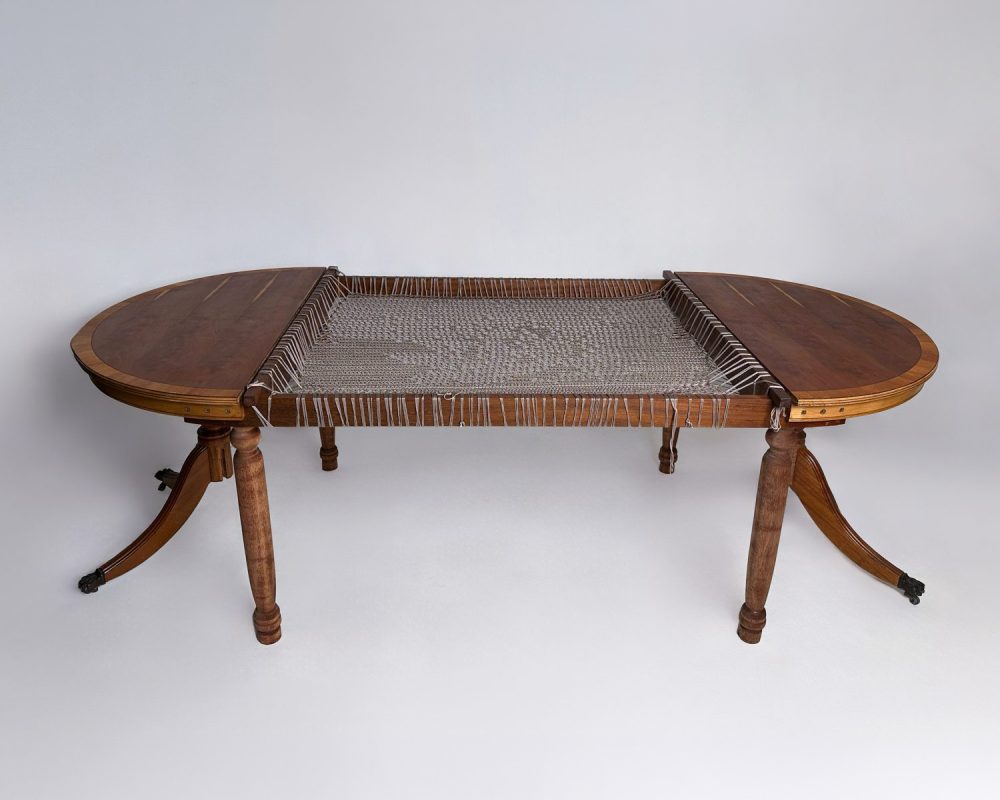
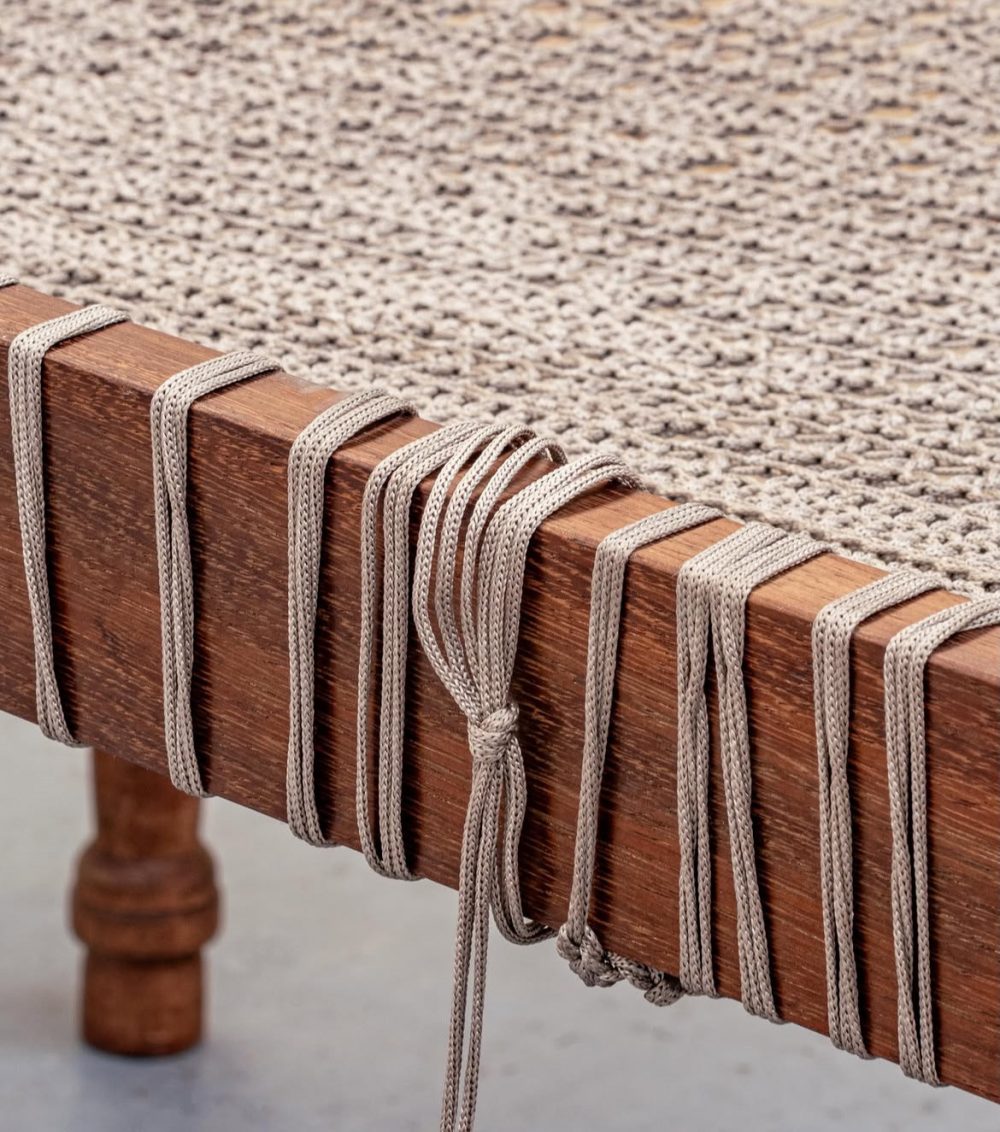
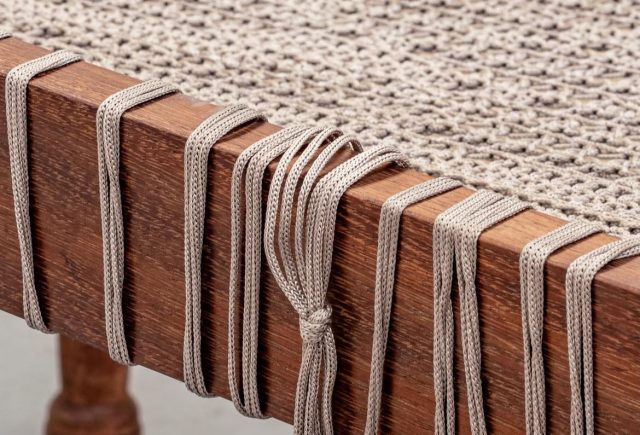
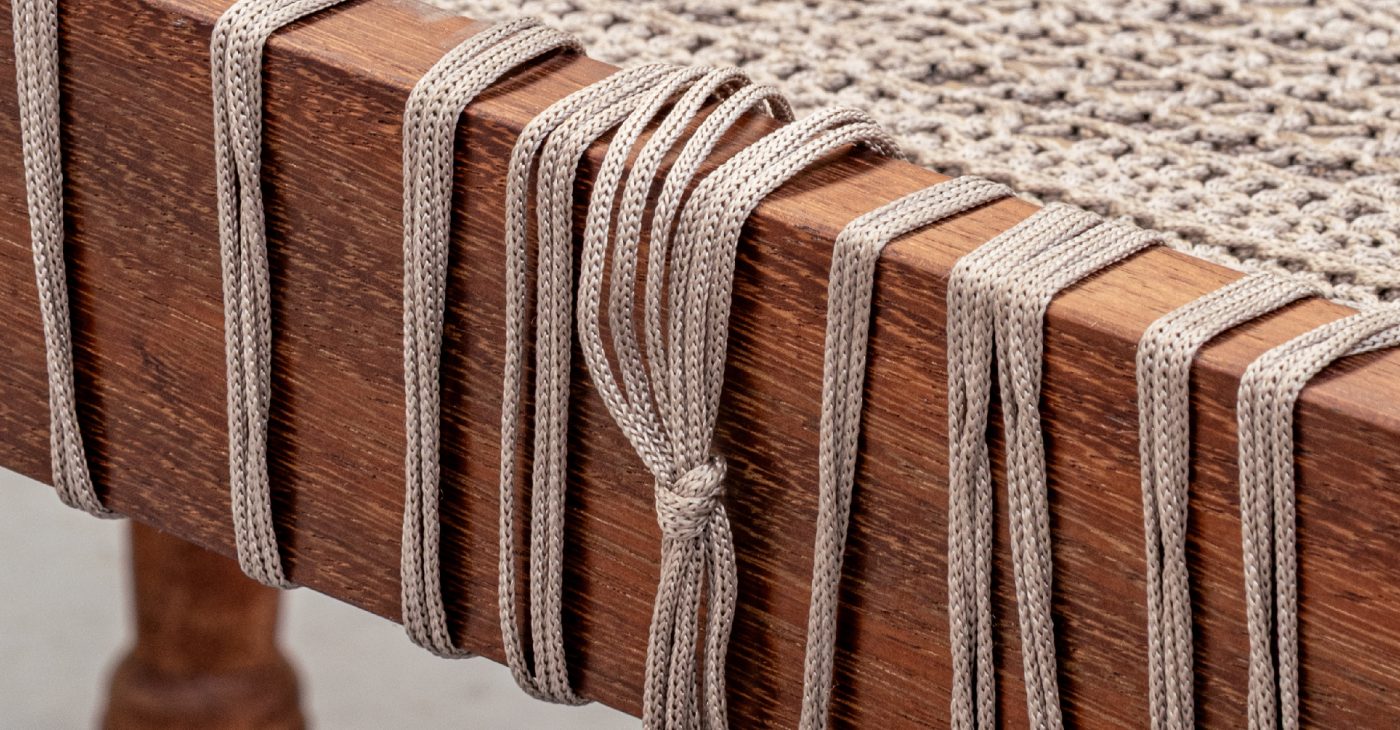
The piece explores the complex relationship between Indian and European design languages. Under British rule, Anglo-Indian furniture emerged by exploiting local materials and craftsmanship to construct rigid European forms. This process is inverted by salvaging, severing and subverting a dining table to create a form inspired by the Indian charpai. An object typically extended for formality is instead expanded to create room for refuge and rest. The weaving that sits within the traditional structure is reinterpreted through a filet-lace net, drawing upon Victorian doilies and table runners while replacing the imperial rose for the native lotus.
This project won the Christine Risiley Award 2026